
The Australian Business Growth Fund was set up in 2020 as a public-private partnership by the former Coalition government just as the Covid-19 virus was spooling up for maximum impact. In the years since, it has quietly been filling a gap in our funding markets.
The initial $540 million in capital that enabled the ABGF included $100 million of federal government money, with another $100 million each from the big four banks and $20 million each from HSBC and Macquarie.
The fund targets what it calls ‘Growth Economy SMEs’. These are the 160,000 or so small to medium sized companies with revenues between $2 million and $100 million – a cohort starved of growth equity and yet expanding several times faster than the broader economy.
In this episode of the Commercial Disco podcast, Australian Business Growth Fund chief executive and managing director Anthony Healy spells out the differences between ABGF and investment vehicles like the National Reconstruction Fund.
There is a well understood funding gap, he says, for these growth SME companies. At the earlier, smaller end of the market there are VC options for growth companies, and at the big end of town, there are private equity funds that focus on the bigger companies.
But in the middle, there are thousands of founder-led, family-owned businesses that are starved of access to growth capital. And the way that ‘growth capital’ is defined is important to the way that ABGF operates
While banks can lend these companies money, that’s debt. These loans are secured through assets or based on the ability of that company to service that debt – usually by looking backwards at the company’s historical performance.
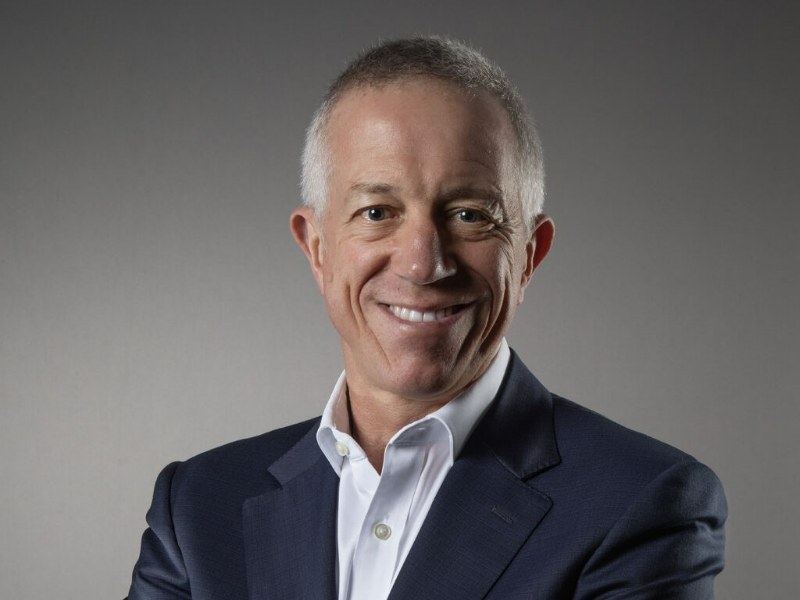
Mr Healy says companies that have significant growth opportunities in front of them need growth capital, which – as a forward-looking form of capital – brings a different set of risks and values to the calculation.
“You’re investing as a shareholder alongside the founder, so it’s not debt,” Mr Healy says of the ABGF model.
“You’re taking the same equity risk as the founder, and so ultimately, it’s about matching the risk and return on that risk.”
The fund has been investing for five years, putting growth equity into 14 portfolio companies (including some 18 follow-on investments) across aviation, defence, technology, software and manufacturing.
“So, it’s a real range [of investments] but ultimately, the ones that are going to perform well … are where you have got a really capable founder and one that’s prepared to work with us,” Mr Healy said.
“One defined feature of our mandate is that we’re a minority [shareholder] only – so we don’t take control – and therefore we’ve got to build a really long-term and productive relationship with the founder, who is usually also the majority shareholder.”
Do you know more? Contact James Riley via Email.