
Victoria has become the latest state to greenlight virtual fencing and herding technologies for farmers, with new regulations coming into effect after consultation with industry, researchers and animal welfare groups.
Victorian Agriculture minister Ros Spence announced a new code of conduct on Wednesday, setting standards for safe use of virtual fencing systems under the state’s Prevention of Cruelty to Animals Act.
“We’re striking the right balance between farm productivity and animal welfare, and it’s clear that this technology provides great on-farm benefits for farmers across the state,” Ms Spence said.
Agriculture Victoria will oversee farmers’ use of virtual fencing systems, while the new code mandates approved devices, manufacturer training, the maintenance of physical fences and barriers, and regular collar checks.
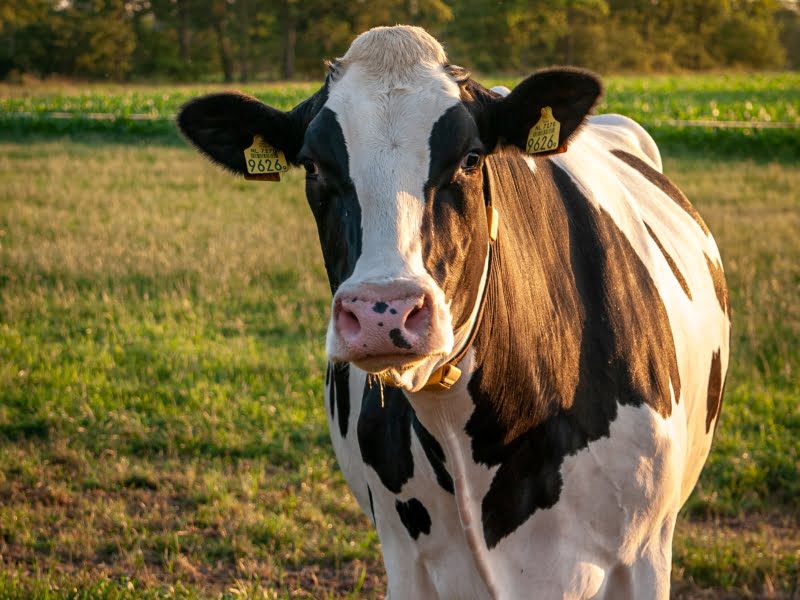
Virtual fencing uses a network of solar-powered animal collars that emit sounds, vibrations and mild electric shocks to keep animals within pre-set boundaries, allowing farmers to track the location of stock through an app and herd them to specific areas. It does not need a cellular signal to operate.
CSIRO research has found virtual fencing use can reduce overgrazing and soil erosion and improve weed control.
United Dairyfarmers of Victoria president Bernie Free labelled virtual fencing a “game changer” for the state’s farmers.
“It allows farmers to rotate pastures more efficiently, protect environmentally sensitive areas, improve animal health outcomes and provides a safer work environment,” he said.
Victorian Farmers Federation (VFF) president Brett Hosking said virtual fencing would unlock “tens of millions of dollars” in productivity gains.
Two companies currently run virtual fencing technology in Australia: CSIRO-developed Gallagher eShepherd and New Zealand-based Halter.
The tech first became commercially available in Australia in 2018 and quickly earned a reputation amongst farmers as a productivity booster.
Animal rights organisation the RSPCA has long urged stringent rules around the type of collars used and the shocks they deliver to prevent their accidental or deliberate misuse.
Victoria is the fifth state or territory to approve the use of virtual fencing. New South Wales and South Australia are expected to unveil similar approvals within weeks.
The federal government’s Animal Welfare Taskforce Group is expected to release a national virtual fencing best practice guide by Christmas.
The federal Department of Agriculture, Fisheries and Forestry did not respond to requests for comment by deadline.
Do you know more? Contact James Riley via Email.