
An Australian developed filtration system for mining waste could be key to recovering more than $5 trillion worth of critical resources like copper and lithium trapped in wastewater around the world while slashing rehabilitation costs.
The breakthrough nano-technology is being developed by scientists at the Australian National University in a research tie up with mining giant Rio Tinto, and has reached the prototype testing stage.
Known as Bioderived Element Resource Separation Technology (BERST), it is inspired by biological processes evolved by plants over billions of years.
Programmed proteins and selective abilities allow the technology to separate and extract high-purity minerals and metals from mining wastewater, while simultaneously turning dirty water into clean water.
The approach is getting closer to realisation, a new Australian Research Council supported study shows, and could disrupt the multi-billion global mine closures business.
In Australia, there are currently tens of thousands of inactive and unrehabilitated mine sites and 240 more mines are projected to close by 2040.
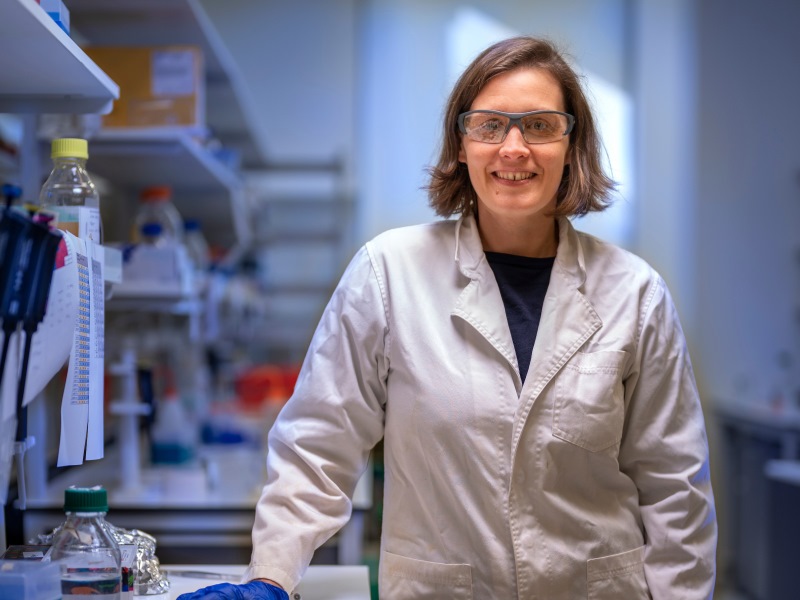
ANU Professor Caitlin Byrt said the Australian mine closure and rehabilitation costs alone are expected to cost between $4 billion and $5 billion a year.
“Poorly managed mining waste can create environmental and safety risks and ongoing liabilities long after mining operations have ended. For example, acid mine drainage (AMD) impacts hundreds of thousands of kilometres of freshwater waterways, making reservoirs of freshwater unusable.
“AMD is ranked by the United Nations as second highest on its list of global environmental concerns, after climate change,” Professor Byrt said.
The BERST system can extract certain critical resources from the waste, like copper and lithium desperately needed for advanced technology and green energy infrastructure.
It can incorporate many different selective proteins, effectively allowing specific metals and minerals to be identified and extracted from the waste, according to fellow ANU researcher and ACT Scientist of the Year Dr Samantha McGaughey.
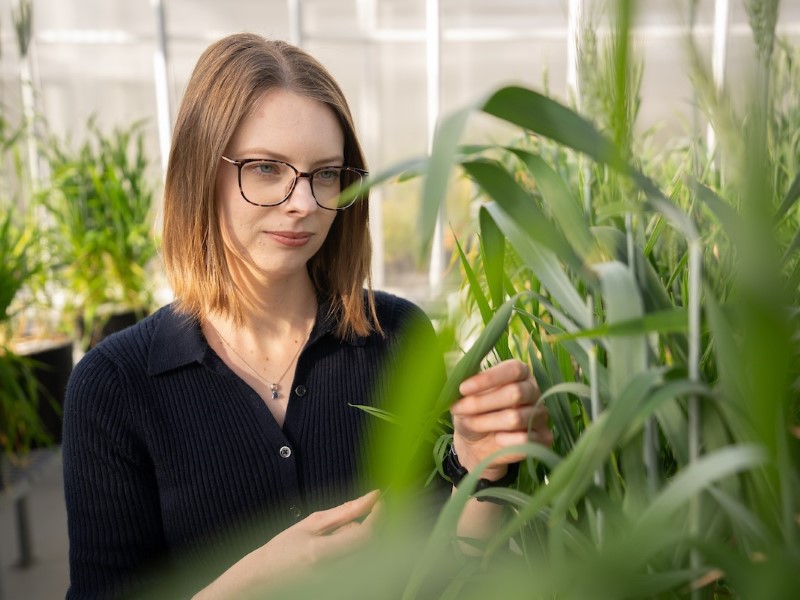
“If you have a waste stream that’s really complex, and there’s 10 different metals or nutrients that you want to harvest from it, we could program each different protein to harvest every single one of those metals or nutrients simultaneously,” she said.
According to the researchers, which received a $1.1 million Mid-Career Industry Fellowships grant for their work last year, the technology can scale from small portable filtration units to major facilities.
The researchers are working with ANU translation partner Rio Tinto on the project, and the latest study acknowledges “further biomimetic membrane research and development is needed to ensure economical technology scale‐up and stable performance across varied applications and environment.”
“Accelerating the development and implementation of technologies like BERST is expected to contribute to supporting sustainable mining practices and the creation of circular economies in the future,” the study concludes.
Do you know more? Contact James Riley via Email.